
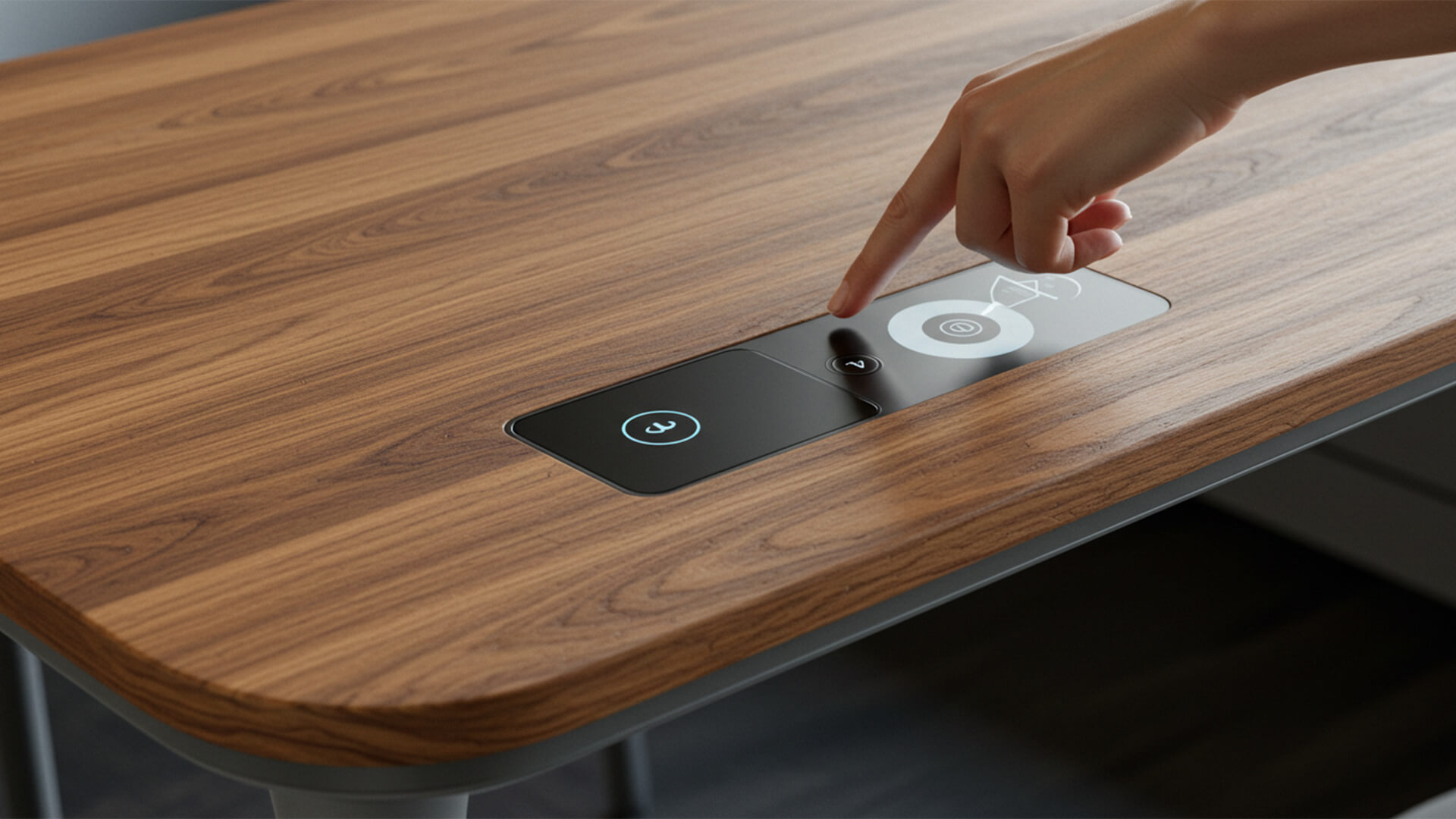
The Era of Smart Furniture: Tech-Integrated Living Spaces
In today’s world, where digitalization permeates every aspect of life, living spaces are also undergoing a significant transformation. Homes are no longer merely places that meet basic shelter needs; they are evolving into smart living spaces that learn user habits, enhance comfort, and provide energy efficiency. At the center of this transformation are smart furniture solutions. Furniture integrated with technology keeps pace with the rhythm of modern life without compromising aesthetics.
What Is Smart Furniture?
Smart furniture refers to furniture solutions that can respond to user needs, collect data, and process this data to enhance living comfort through sensors, software, and connectivity technologies. From lighting and storage to seating groups and bed systems, many products today are equipped with IoT (Internet of Things) technology and transformed into smart solutions. These furniture systems can be controlled via mobile applications or voice assistants.
The Rise of Technology-Integrated Living Spaces
The widespread adoption of smart home technologies in recent years has initiated a new era in the furniture industry. Users now seek not only stylish designs but also functional and customizable solutions. Technology-integrated living spaces simplify daily routines, improve time management, and enhance overall quality of life.
For example, smart bookshelves that automatically adjust lighting levels by detecting daylight or coffee tables equipped with wireless charging units offer both aesthetic and functional benefits. This approach allows more efficient use of limited spaces, especially in urban living environments.
Advantages of Smart Furniture
Smart furniture offers numerous benefits centered on user experience. First and foremost, its customizable structure adapts to individual needs. Chairs that automatically adjust seating positions or bed systems that analyze sleep habits elevate comfort to a higher level.
Energy efficiency is another prominent advantage of smart furniture. Sensor-supported systems prevent unnecessary energy consumption and promote a sustainable lifestyle. In this respect, smart furniture aligns closely with the concept of sustainable furniture.
The Relationship Between Smart Furniture and Sustainability
Today, consumer awareness regarding environmental responsibility is steadily increasing, and this is reflected in furniture preferences. Smart furniture technologies contribute to the creation of eco-friendly living spaces through energy-saving systems and long-lasting usage advantages.
Additionally, smart furniture produced with recyclable materials and modular designs minimizes resource consumption, reducing environmental impact during both production and usage stages.
The Impact of Smart Furniture on Home Design
Modern interior design increasingly requires solutions compatible with technology. Smart furniture supports a minimalist and functional design approach, offering a holistic aesthetic within living spaces. Designs where cables are hidden, surfaces are simplified, and technology becomes invisible significantly enhance user experience.
At this point, smart storage solutions provide major advantages, especially in homes with limited square footage. These furniture solutions optimize space usage, helping to create organized and spacious living environments.
Living Spaces of the Future: Smart Furniture
With continuous technological advancements, smart furniture trends are evolving rapidly. Artificial intelligence–supported systems can learn user habits and make automatic adjustments accordingly. As a result, homes gradually transform into living ecosystems that offer personalized solutions.
In the near future, it will be possible to encounter more data-driven and integrated solutions. Technology-integrated living spaces will bring not only comfort but also innovations focused on security and health.
What to Consider When Choosing Smart Furniture
When selecting smart furniture, it is important to consider not only technological features but also material quality and product longevity. Furniture with updatable software provides long-term advantages. Compatibility with existing smart home systems is also a crucial criterion.
Choosing smart furniture should provide solutions suitable for one’s lifestyle while avoiding unnecessary technological complexity. With proper planning, technology makes living spaces more comfortable and efficient.
Transition to Next-Generation Living Spaces
The era of smart furniture represents the perfect harmony between technology and design. In today’s rapidly changing living conditions, technology-integrated living spaces offer significant advantages in terms of both comfort and sustainability. Furniture equipped with smart solutions transforms homes from mere living spaces into interactive systems that communicate with users.
This transformation shapes the living spaces of the future today, opening the door to a more conscious, efficient, and comfortable lifestyle.
You can explore Doğtaş’s collection catalogs here to create technology-integrated living spaces.