
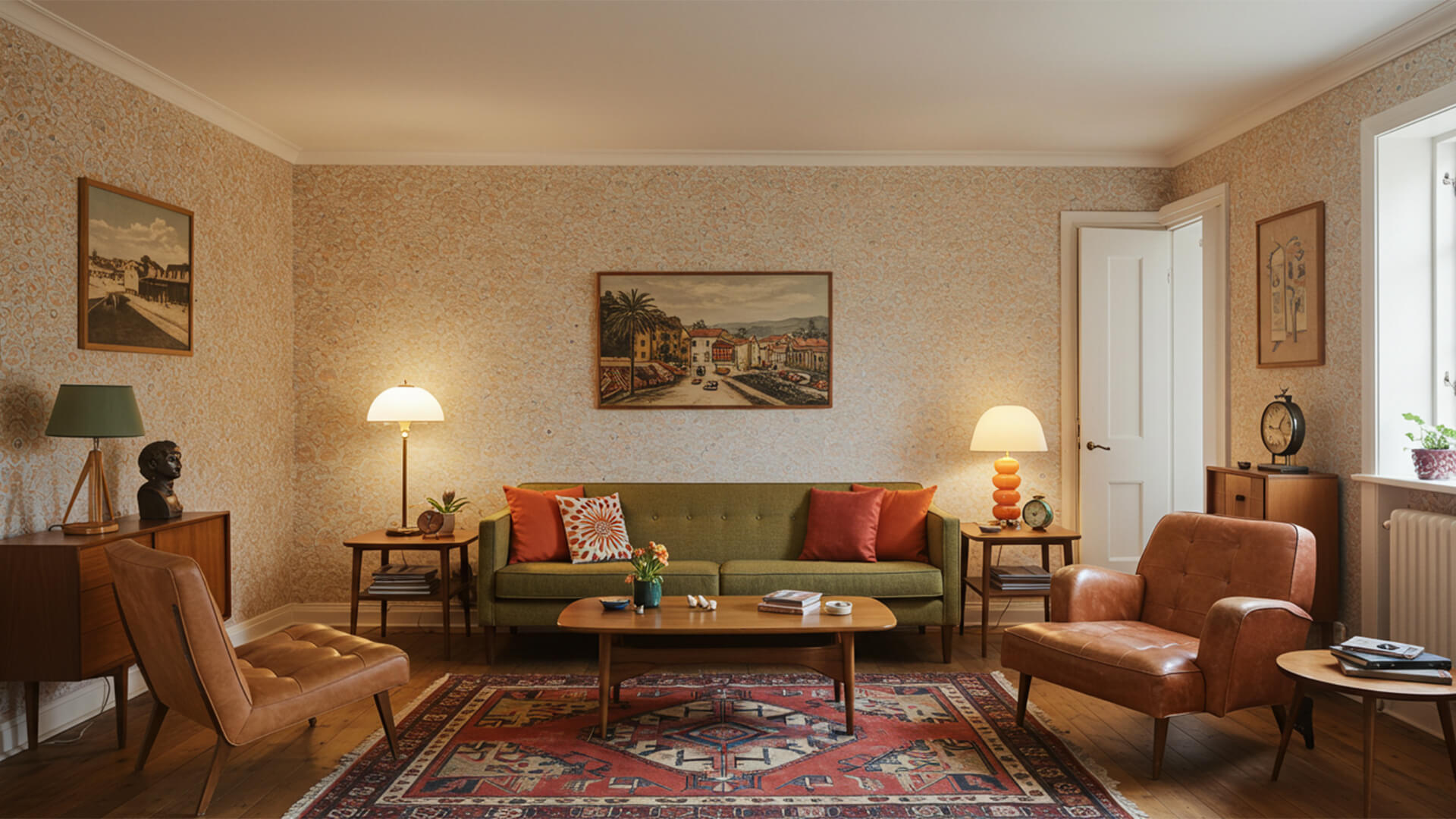
Retro Decoration Ideas Inspired by the Past
Although decoration trends change over time, some styles manage to remain timeless. Retro decoration is one of these powerful styles that blends the aesthetic understanding of the past with the needs of modern living. The design language spanning from the 1950s to the 1980s continues to inspire today with its use of color, furniture forms, and patterns. This past-inspired approach makes it possible to create character-rich living spaces by combining nostalgia with contemporary comfort.
Retro style does not simply mean filling a space with old furniture. On the contrary, it represents a conscious decorative approach that reinterprets the design philosophy of past eras through today’s aesthetic expectations. In this sense, retro decoration ideas offer a strong expressive field for those who want to reflect their personal style in their living spaces.
What Is Retro Decoration? A Timeless Style Approach
Retro decoration reflects the spirit of a certain era while avoiding direct imitation. Rounded furniture lines, natural wooden surfaces, metal details, and striking color palettes form the core of this style. Retro style decoration adds warmth and character to interiors while creating a welcoming and intimate atmosphere.
Balance is key in this approach. Instead of filling the entire space with retro elements, highlighting the retro spirit through selected key pieces results in a more modern and refined look. This allows interiors to remain both timeless and contemporary.
The Role of Color in Retro Decoration
One of the most distinctive elements of retro style is color. Colors in retro decoration play a leading role in defining the character of a space. Shades such as mustard yellow, terracotta, olive green, orange, and petrol blue have become signature tones of this style. When used correctly, these colors add energy and warmth to interiors.
In modern retro decoration applications, vibrant colors are often balanced with neutral backgrounds. Light-colored walls, natural wood flooring, and simple surfaces allow retro tones to stand out in a controlled and aesthetically pleasing way, creating a harmonious balance.
Choosing Retro Furniture: Balancing Form and Function
Retro furniture is known for its soft, flowing forms rather than sharp edges. Slim-legged sofas, low-profile coffee tables, and organically shaped chairs are among the most characteristic pieces of this style. These designs bring visual elegance while maintaining a sense of lightness in the space.
In retro decoration, furniture does not have to belong entirely to one style. Combining modern pieces with a retro sofa or table can create a focal point that adds depth and character. This flexibility makes retro decoration ideas highly adaptable and creative.
Enhancing the Retro Effect with Patterns and Textures
Retro style embraces bold pattern usage. Geometric, graphic, and repetitive patterns are essential elements of this aesthetic. When applied to rugs, curtains, or upholstery fabrics, these patterns add movement and vitality to interiors.
However, moderation is crucial. Rather than overwhelming every surface with patterns, using them selectively helps strengthen the retro effect while preserving visual balance. Pattern use in retro decoration, when applied thoughtfully, results in a sophisticated atmosphere.
Creating a Retro Atmosphere Through Lighting
Lighting plays a vital role in completing the retro look. Globe-shaped glass chandeliers, metal pendant lights, and floor lamps are iconic lighting choices within this style. Retro lighting not only serves a functional purpose but also acts as a decorative focal point.
Warm-toned lighting enhances the cozy and inviting feel of retro interiors. With the right lighting choices, the nostalgic character of a space becomes more pronounced.
Adding Character with Retro Accessories
Accessories are the final touches that complete the story of retro decoration. Vintage-style wall clocks, ceramic objects, glass vases, and analog-inspired decorative pieces bring a nostalgic charm to interiors. Retro decoration accessories, when chosen carefully, strengthen the identity of a space.
Here, restraint is essential. A small number of meaningful accessories creates a refined and balanced retro aesthetic.
Applying Retro Decoration in Different Living Spaces
Living rooms are among the spaces where retro decoration can be applied most effectively. A retro-style sofa combined with a patterned rug and statement lighting can completely transform the atmosphere. In dining areas, round tables and colorful chairs highlight the warm and social nature of retro style.
In kitchens and bedrooms, retro elements are often applied more subtly. Natural materials, soft color transitions, and carefully selected retro details ensure visual harmony. Retro home decoration can adapt to different spaces through varied design expressions.
Balancing Retro Style with Modern Touches
The success of retro decoration lies in its harmony with modern elements. Contemporary comfort standards, minimalist surfaces, and up-to-date materials complement retro pieces, creating interiors that are both functional and visually appealing. When this balance is achieved, retro style becomes more than a nostalgic reference—it transforms into a design approach suited to modern life.
Timeless Interiors with Retro Decoration
Retro decoration ideas inspired by the past offer an effective way to create warm, characterful, and personal living spaces. With the right color palette, balanced furniture choices, and thoughtful accessory use, retro style delivers interiors that remain enjoyable for years. By blending nostalgia with modernity, this approach stands out as a strong and timeless alternative for those seeking originality in decoration.