
5 Ways to Create a Modern Style with Old Furniture
One of the most effective ways to create character-driven living spaces in decoration is to bring together pieces that carry traces of the past with today’s design approach. Today, more and more people prefer spaces with personal stories instead of ready-made and uniform looks. At this point, the old furniture repurposing approach offers a strong opportunity in terms of both sustainability and original design.
An old console, a table bearing the marks of years, or an inherited armchair can become the most striking element of a modern decoration when transformed with the right touches. The key is to reinterpret pieces from the past in a way that aligns with today’s needs and aesthetic expectations. In this article, we discuss five effective methods for transforming old furniture to achieve a look compatible with modern decoration.
- Give It a Contemporary Look with Color Renewal
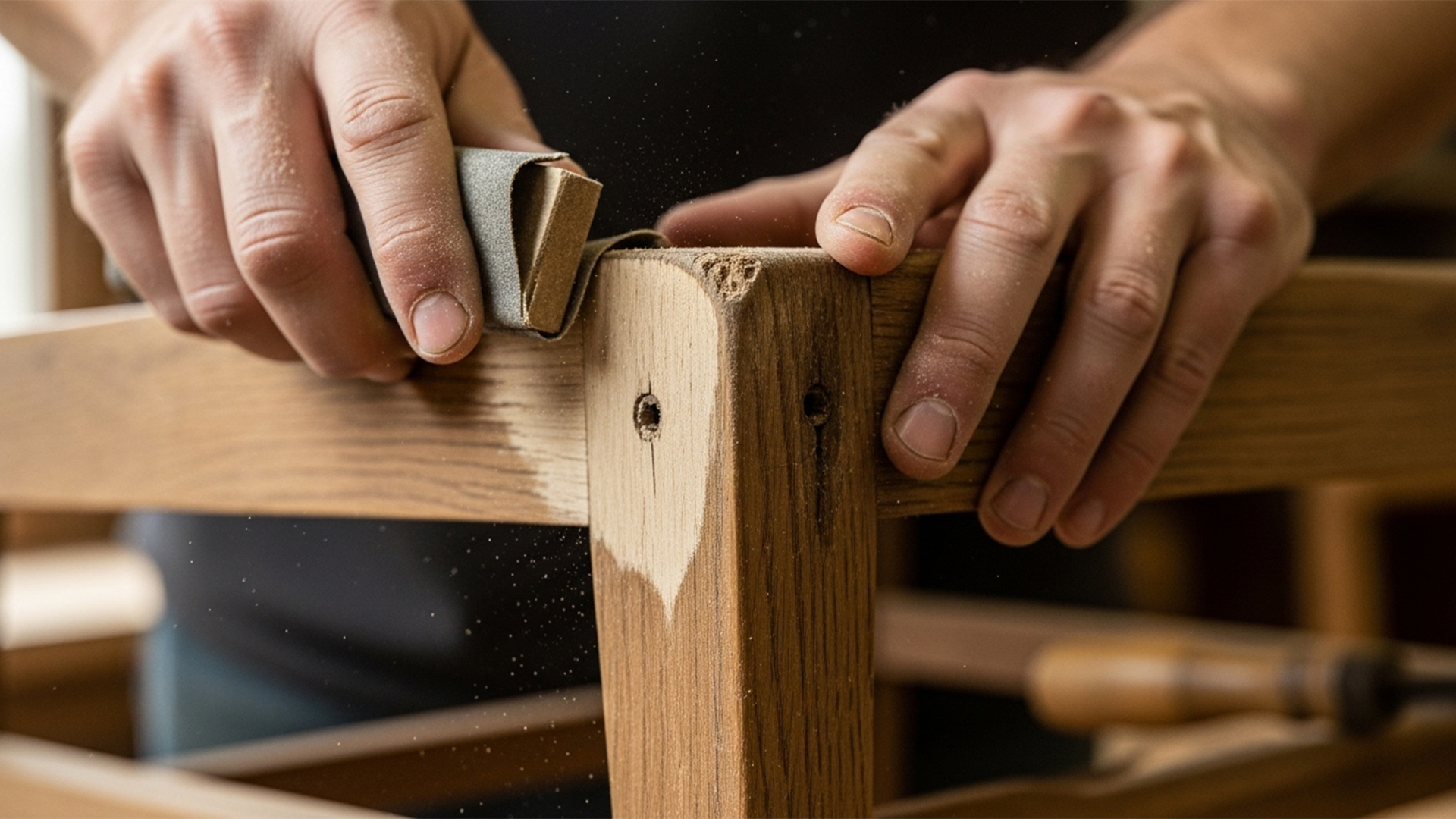
One of the most practical ways to modernize old furniture is changing its color. Darkened varnishes, yellowed surfaces, or heavy tones reflecting the trends of past eras may make a space look older than it is. With the right color choice, the same piece can become part of a contemporary atmosphere.
Light tones increase the sense of spaciousness, especially in small areas, while matte finishes support the simple character of modern design. In recent years, preserving the natural wood texture while only renewing the surface has also become a frequently preferred practice. This approach gives the furniture an updated appearance without completely erasing its history.
When renewing colors, it is important to ensure harmony with other elements in the space. Creating a balanced palette with wall colors, flooring, and textiles helps the old furniture transformation process deliver successful results.
- Create a Minimal Effect by Updating Hardware and Details
Handles, legs, and metal accessories are small yet powerful details that directly affect the perceived style of a piece of furniture. When simpler and more geometric forms are preferred instead of ornate or heavy-looking hardware, the furniture instantly gains a modern identity.
Slim metal legs, matte black, or brushed metal surfaces are among the most distinctive indicators of contemporary decoration. These touches provide a strong style transformation without requiring major renovation.
During detail updates, it is necessary to pay attention to proportion and scale. Oversized handles or accessories incompatible with the character of the furniture may create visual clutter rather than modernization. The goal is to simplify the piece and make it compatible with a modern style.
- Create Contrast by Combining Different Styles
Modern decoration does not have to consist entirely of brand-new pieces. On the contrary, combining elements from different eras adds depth to the space. Pairing an old wooden table with contemporary-form chairs is an effective way to create balanced contrast.
In this approach, maintaining color and material integrity is essential. Using different tones within the same color family or balancing wood texture with modern metal surfaces creates a harmonious look. This prevents the space from feeling either overly nostalgic or excessively sterile.
The retro modern decoration approach offers a strong expression area, especially for those who want to reflect their personal style in urban living. This dialogue between old and new makes the living space more distinctive and memorable.
- Increase Comfort with Functional Updates
Adapting old furniture to modern life is not limited to aesthetics. Functional arrangements suitable for today’s needs increase the daily usability of the piece. For example, an old display cabinet can be transformed into a multi-purpose storage area by renewing its internal shelving system.
Drawer organizers, soft-closing mechanisms, or hidden storage solutions make furniture more practical. These improvements update the user experience without breaking the design’s connection to the past.
Ergonomics is also an important criterion in the transformation process. Details such as height, depth, and accessibility determine long-term comfort. Thus, the living space organization process becomes an experience-oriented improvement, not only a visual one.
- Create a Warm Atmosphere with Natural Materials and Textiles
Although modern decoration is often defined by clean lines, it should be supported with natural textures so the space does not feel cold or distant. Old furniture already has a strong advantage through natural material use. This advantage can be highlighted with textiles such as linen, cotton, and wool.
Natural-toned rugs, soft-textured cushions, and warm lighting placed alongside wooden surfaces create a balanced atmosphere. As a result, the space gains both a modern and inviting character.
This approach also aligns with the sustainable decoration concept. Preserving existing furniture while supporting it with new materials reduces resource consumption and creates a long-lasting design language.
What Should Be Considered When Integrating Old Furniture into Modern Decoration?
When incorporating old pieces into a modern composition, avoiding excess is important. Too many items from different periods may create visual clutter. Selecting one or two focal pieces ensures a more balanced composition.
Lighting choice significantly affects perception. Modern-form lighting helps old furniture appear more current. Similarly, using simple artwork or minimal frames on walls supports overall stylistic harmony.
Keeping the color palette limited and repeating tones helps pieces from different eras appear cohesive. This method is frequently used in professional interior design as a balancing technique.
Combining the Character of the Past with Today’s Comfort
Old furniture can become the strongest character element of modern living spaces with the right approach. Thanks to color renewal, detail updates, functional improvements, and natural material use, pieces from the past can adapt to today’s aesthetic and comfort expectations.
The modern decoration approach does not mean using only new products; rather, it aims to bring together the best features of different periods to create balanced and unique spaces. This bridge built with old furniture adds both warmth and a personal story to living areas.
As a result, transforming pieces that carry traces of the past while preserving them is one of the most effective ways to create a sustainable, original, and timeless decoration language.